
Guidance reviewed 8 October 2026.
Recycling is important, but it isn’t the first step in dealing with waste. The waste hierarchy asks a better question: could we avoid creating the waste in the first place?
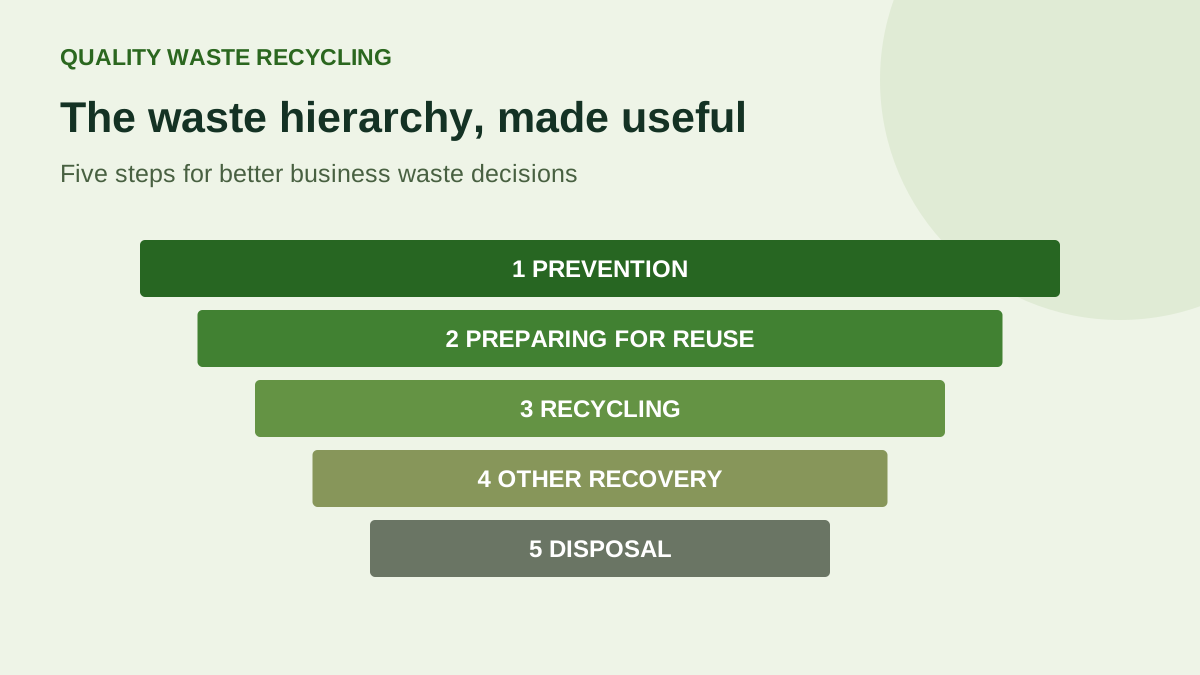
DEFRA’s guidance on applying the waste hierarchy sets out five priorities: prevention, preparing for reuse, recycling, other recovery and disposal. It is a practical order for business decisions, rather than a reason to put every material into the same recycling bin.
1. Prevention: Avoid the Waste
Before ordering another batch of stock, check what is already in the warehouse. Before replacing a whole office’s equipment, consider which items really need changing. Better purchasing and maintenance can save money before there is anything to collect.
2. Preparing for Reuse: Give Suitable Items Another Use
Where something has become waste, checking, cleaning or repairing it may make reuse possible. That is different from moving unsafe or contaminated items to someone else. Start by asking whether the item is suitable for reuse and whether the route is appropriate.
3. Recycling: Recover the Materials
When an item cannot be kept in use, recycling can recover materials for new products. At work, this might mean separating cardboard, arranging WEEE recycling or setting up a collection for unwanted batteries. A clear label helps staff use the right container.
4. Other Recovery: A Useful Output Beyond Recycling
This can include energy recovery. It sits below recycling in the hierarchy and should not be described as material recycling. Ask your waste provider to explain the route if you need to report how your waste has been managed.
5. Disposal: The Last Option
Disposal is the final step, rather than the default choice. In England and Wales, businesses transferring waste must confirm that they have applied the hierarchy on the waste transfer note. Read the government guidance.
Safety and Waste Rules Still Come First
The hierarchy does not override rules requiring particular waste to be destroyed. For example, waste upholstered domestic seating containing POPs must follow the authorised destruction route in England; it cannot simply be sent for reuse or ordinary furniture recycling. Read our POPs furniture guide.
Make It Work for Your Workplace
Pick one change you can make this month: reduce duplicate orders, keep repairable equipment working or label an electrical recycling point. Our free resources can help staff get started. When you need a collection, Quality Waste Recycling offers friendly help with electricals, specialist waste and unwanted stock.