
FREE RECYCLING GUIDE
Recycling Symbols
Explained
Wondering what the arrows, numbers and bin symbols on your packaging mean? Our illustrated UK guide helps you read the label and choose the right recycling route at home or at work.
EXPLORE THE SYMBOLS ↓All Free Resources →Common Recycling Symbols & What They Mean
These reference illustrations help you recognise the symbols. Exact artwork varies between labels.

Möbius Loop
Three chasing arrows form the familiar recycling triangle. It indicates that an item is capable of being recycled. It does not promise that your local collection accepts it, or that it was made from recycled material.
What to do: Check the item and your collector’s accepted materials before choosing a bin.
Read the source guidance ↗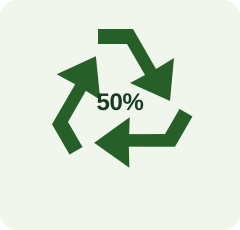
Recycled Content Percentage
A percentage shown with the recycling loop indicates the proportion of recycled material. For example, 50% refers to recycled content—not a claim that half the item should go into a recycling bin.
What to do: Read the percentage as a material-content claim, then check the disposal instructions separately.
Read the source guidance ↗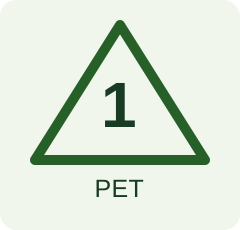
Plastic Numbers 1–7
The number identifies the plastic resin. PET, HDPE and PP are material names, not collection instructions. The same plastic can appear as a bottle, film or a different product, and those forms may have different collection routes.
What to do: Use the table below to identify the material. Follow the packaging label and your collection guidance.
Read the source guidance ↗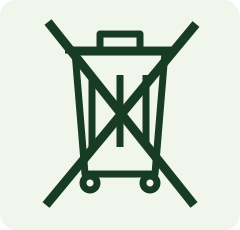
Crossed-Out Wheeled Bin
This symbol appears on electrical products and batteries. They need a separate recycling route and must stay out of general rubbish. Computers, chargers, lamps and loose batteries are familiar examples.
What to do: At work, arrange suitable WEEE or battery collections. Household users should check appropriate retailer or local collection points.
Read the source guidance ↗
Green Dot
Two curved arrows form a circle. The mark relates to a financial contribution to a packaging recovery scheme. It is not proof that the pack is recyclable, contains recycled material or belongs in your recycling bin.
What to do: Look for the actual disposal label and check your collection arrangements.
Read the source guidance ↗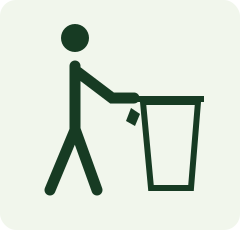
Tidyman / Anti-Litter Reminder
The person putting litter in a bin is a reminder to dispose of waste responsibly. It does not tell you that the packaging can be recycled. Tidyman is associated with Keep Britain Tidy.
What to do: Choose the right waste or recycling route for the item; the symbol itself is an anti-litter message.
Read the source guidance ↗
Glass Recycling
The bottle-and-container pictogram is a reminder to recycle glass packaging, such as bottles and jars.
What to do: Check your glass collection. Drinking glasses, mirrors and light bulbs need different guidance from bottles and jars.
Read the source guidance ↗
Aluminium Recycling
The aluminium mark identifies recyclable aluminium, often seen on drinks cans. You may see ALU inside or beside circular arrows.
What to do: Empty the item and follow your collector’s instructions for the relevant aluminium packaging.
Read the source guidance ↗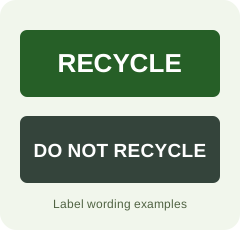
Recycle / Do Not Recycle Labels
UK on-pack recycling labels give instructions for the particular packaging component. Read each part: the bottle, lid, tray and film may carry different directions. Extra wording such as rinse, empty or lid on matters too.
What to do: Follow the whole label. A specialist collection instruction is different from permission to use the ordinary recycling bin.
Read the source guidance ↗
Industrial & Home Compostability
The Seedling mark identifies certified industrially compostable products. Industrial composting uses controlled conditions; it is not the same as a garden compost heap. A home-compostability certification, such as OK compost HOME, is a separate claim.
What to do: Check the exact certification and collection instructions. Compostable packaging does not automatically belong in food waste or plastics recycling.
Read the source guidance ↗What Do Plastic Recycling Numbers 1–7 Mean?
These are plastic identification codes, also called resin codes. The number tells you the material; it does not tell you how many times it can be recycled or which bin to use.
| Number | Plastic | Typical Examples |
|---|---|---|
| 1 | PET — Polyethylene Terephthalate | Drinks bottles and some food packaging |
| 2 | HDPE — High-Density Polyethylene | Milk bottles and some detergent bottles |
| 3 | PVC — Polyvinyl Chloride | Pipes and cable insulation |
| 4 | LDPE — Low-Density Polyethylene | Bags and flexible films |
| 5 | PP — Polypropylene | Food tubs, lids and trays |
| 6 | PS — Polystyrene | Foam packaging and some rigid containers |
| 7 | Other Plastics | Other resins or combinations of plastics |
Bottles, trays, films and other products made from the same resin can need different collection routes. Check the packaging instructions rather than relying on the number alone.
Compostable Doesn’t Mean Any Compost Bin
The Seedling mark identifies packaging certified for industrial composting to EN 13432. Industrial sites control conditions such as temperature and moisture; an industrial compostability label does not mean the item will break down in your garden compost.
OK compost HOME is a separate certification for home composting. Even certified compostable packaging should only go into a collected food or garden waste bin if your collector accepts it.
In England, the Simpler Recycling guidance says compostable and biodegradable packaging must not go into the food waste stream, apart from permitted caddy liners. Read the workplace guidance, Seedling guidance and OK compost HOME guidance.
Quick Answers to Common Questions
Does the Green Dot mean I can recycle the packaging?
No. It relates to participation in a packaging recovery scheme. Look for the disposal instructions on the pack and check your collection.
Can electrical items go in a normal recycling bin?
No. Electrical equipment needs a separate WEEE recycling route. Keep loose batteries separate too. Our business WEEE recycling and battery recycling services can help your workplace.
How can I make recycling clearer for staff?
Label bins with the materials your collector accepts. Use our free printable recycling bin labels and posters, and show staff where electricals, batteries and lamps belong.
Guide reviewed 8 October 2026. Reference illustrations are educational examples, not certification artwork.
Make Recycling Easier for Your Team
Explore our free posters and bin labels, or speak to our friendly team about collecting your business waste.
BROWSE FREE RESOURCES →Recycle today. A cleaner tomorrow.