Guidance reviewed 11 October 2026.
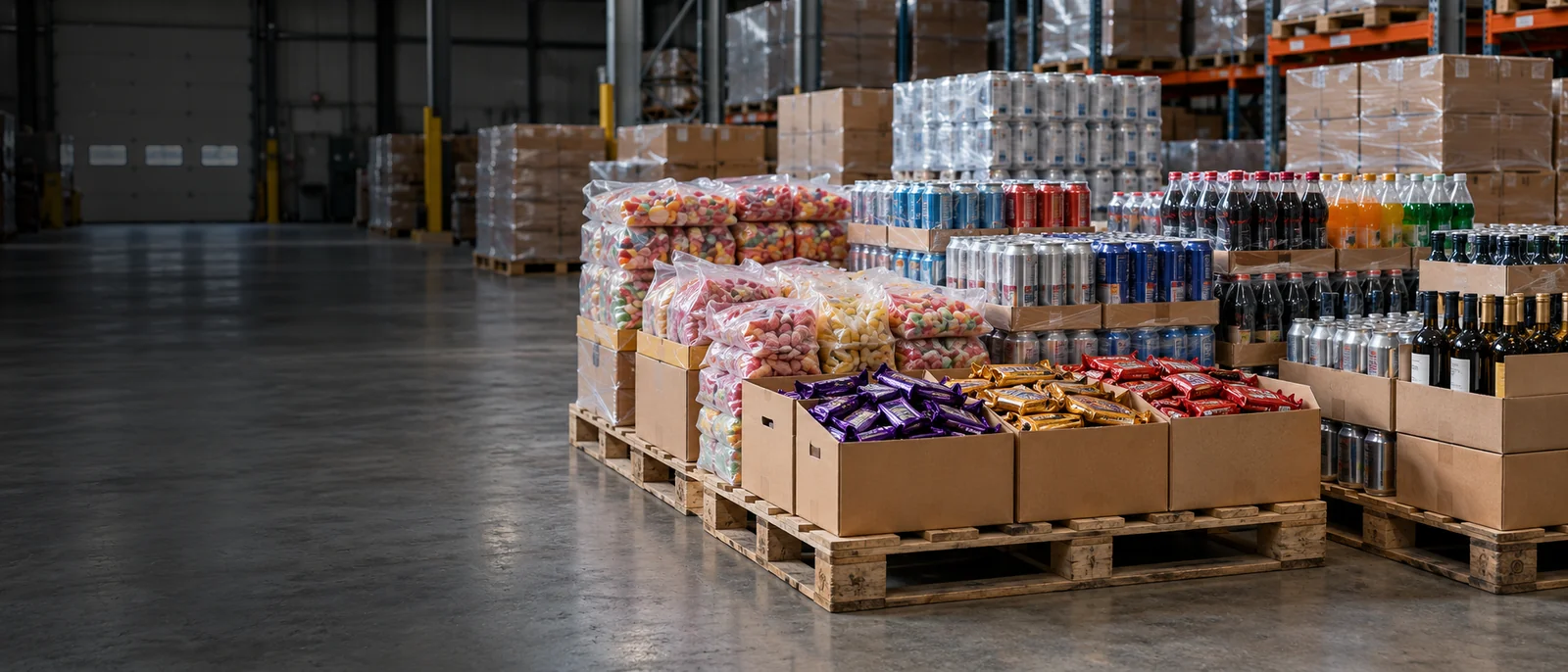
Pallets of out-of-date drinks, damaged chocolate boxes and withdrawn food lines can take up valuable warehouse space. Food stock disposal needs more thought than throwing everything into a general waste skip, especially when the products remain in their retail packaging.
Check whether the food really needs to become waste
Unsold does not always mean unsafe. Review the reason the stock cannot be sold, including dates, damage and any recall. The food and drink waste hierarchy gives priority to preventing waste and suitable redistribution before lower routes. A use-by date and a best-before date mean different things; do not make a safety decision simply because stock has lost its retail value.
Chocolate, sweets and dairy ingredients
Food containing animal-derived ingredients can fall under animal by-product rules once it is no longer intended for human consumption. That can include products people might not think of as animal waste, such as milk chocolate. Meat, dairy and mixed food loads need the correct route. Do not choose animal feed as a shortcut without specialist advice.
Bottled drinks, energy drinks and alcohol
Keep unwanted drinks in secure packaging while you arrange collection. Bulk liquids should not be tipped down a drain. Bottles, cans and cartons may be recoverable after the contents are dealt with appropriately. Alcohol stock may also involve excise or duty requirements—confirm these with your tax adviser or HMRC rather than assuming a destruction certificate settles them.
When branded food needs destruction
Recalled or restricted stock may need secure destruction to prevent resale. Quality Waste offers expired food and drink stock disposal; a Certificate of Destruction is included with the destruction service. Food safety, animal by-product and waste records remain separate obligations where applicable.
A simple way to arrange a clearance
Send some photos and a rough pallet or box count. Tell us whether the products contain meat or dairy, are chilled or frozen, have leaked, or are subject to a recall. We will help with the collection rather than expecting you to unpack every carton first. Acceptance depends on the particular products and the available treatment route.
Further guidance
Business waste guidance. The GOV.UK sources above primarily cover England; check the relevant regulator’s requirements for Wales, Scotland or Northern Ireland.