Guidance reviewed 11 October 2026.
Expired medicines and damaged pharmaceutical stock need a controlled route out of a business. They should not be mixed with ordinary recycling or emptied into drains. The product type matters, as do any additional rules for controlled drugs or hazardous medicines.
Separate medicines from other stock
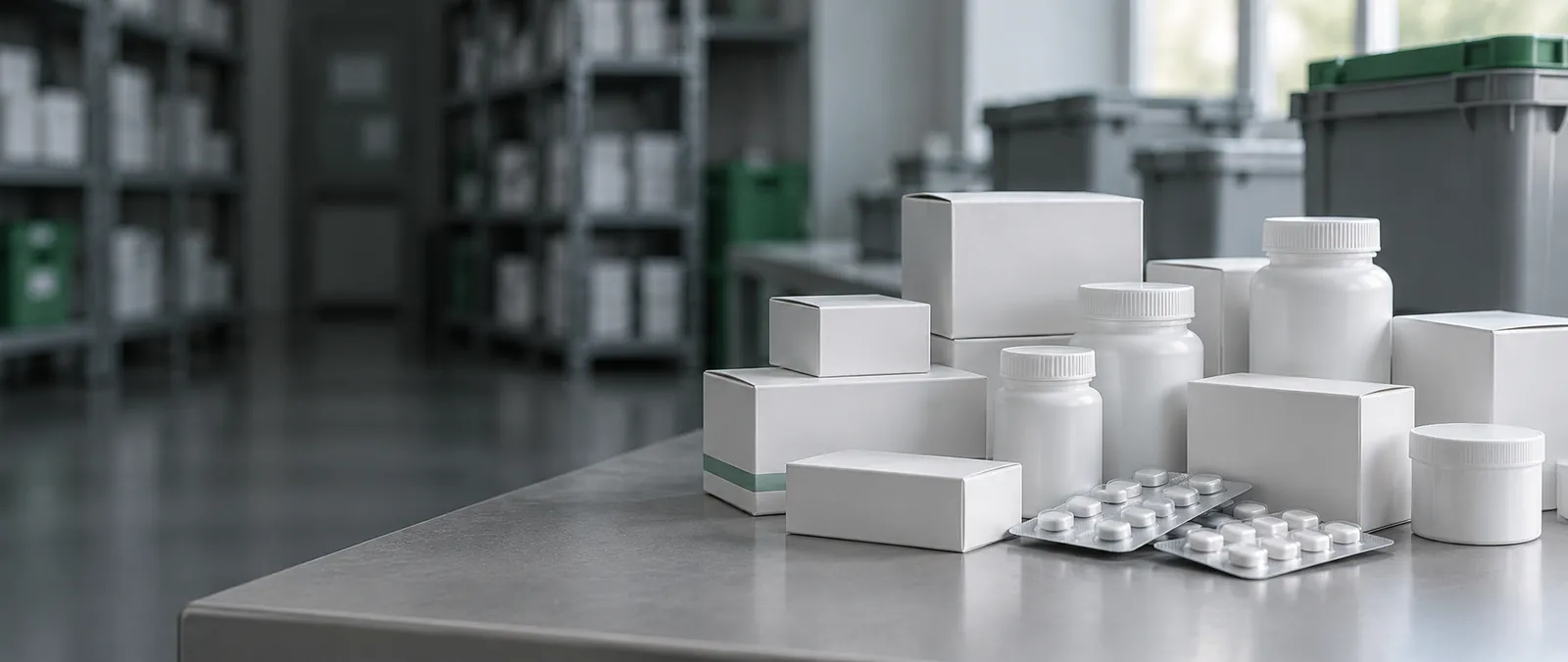
Keep waste pharmaceutical products secure and identifiable. The hazards and any special medicine categories matter more than the dosage form alone. Retain the product name and packaging details where practical, and keep waste away from stock that can still be supplied.
Special categories need attention
Cytotoxic and cytostatic medicines, controlled drugs, sharps and infectious materials are not a single interchangeable waste stream. Tell the collector about these before arranging a clearance. Controlled drug denaturing and witnessing requirements should be managed through the appropriate professional procedure; a general destruction certificate is not a substitute.
Do not empty liquids or remove labels unnecessarily
Keep pharmaceutical liquids contained rather than pouring them away. Labels help identify the waste, but patient information on packaging also needs secure handling. Follow your workplace’s data protection and medicines procedures when preparing items for disposal.
What records are useful?
Applicable waste or healthcare movement records document the transfer of waste. A Certificate of Destruction documents a destruction service. Quality Waste includes the latter when providing pharmaceutical stock destruction, but the correct paperwork and any additional medicine-specific records still need to be retained.
Business stock and household medicines
Our pharmaceutical waste disposal service helps businesses discuss expired and unwanted stock. Tell us the product types and whether any special categories are involved. Some photos or a list of stock names can start the enquiry, without including patient details.
For medicines from your own home, ask a pharmacy about returning unwanted medicines. That household route should not be assumed to accept a business clearance, and sharps need separate advice. Acceptance of business waste depends on the particular material and authorised treatment route.
Further guidance
- Environment Agency: managing healthcare waste
- GOV.UK: business waste responsibilities
- NHS Specialist Pharmacy Service: pharmaceutical waste
Business waste guidance. The GOV.UK sources above primarily cover England; check the relevant regulator’s requirements for Wales, Scotland or Northern Ireland.