
Guidance reviewed 11 October 2026.
Garages, workshops and maintenance teams often have used engine oil, hydraulic oil and oily containers to clear. Waste oil disposal should keep those materials out of drains and away from other waste. It is easier to arrange a collection when the oil remains identifiable and securely stored.
Do not pour waste oil away
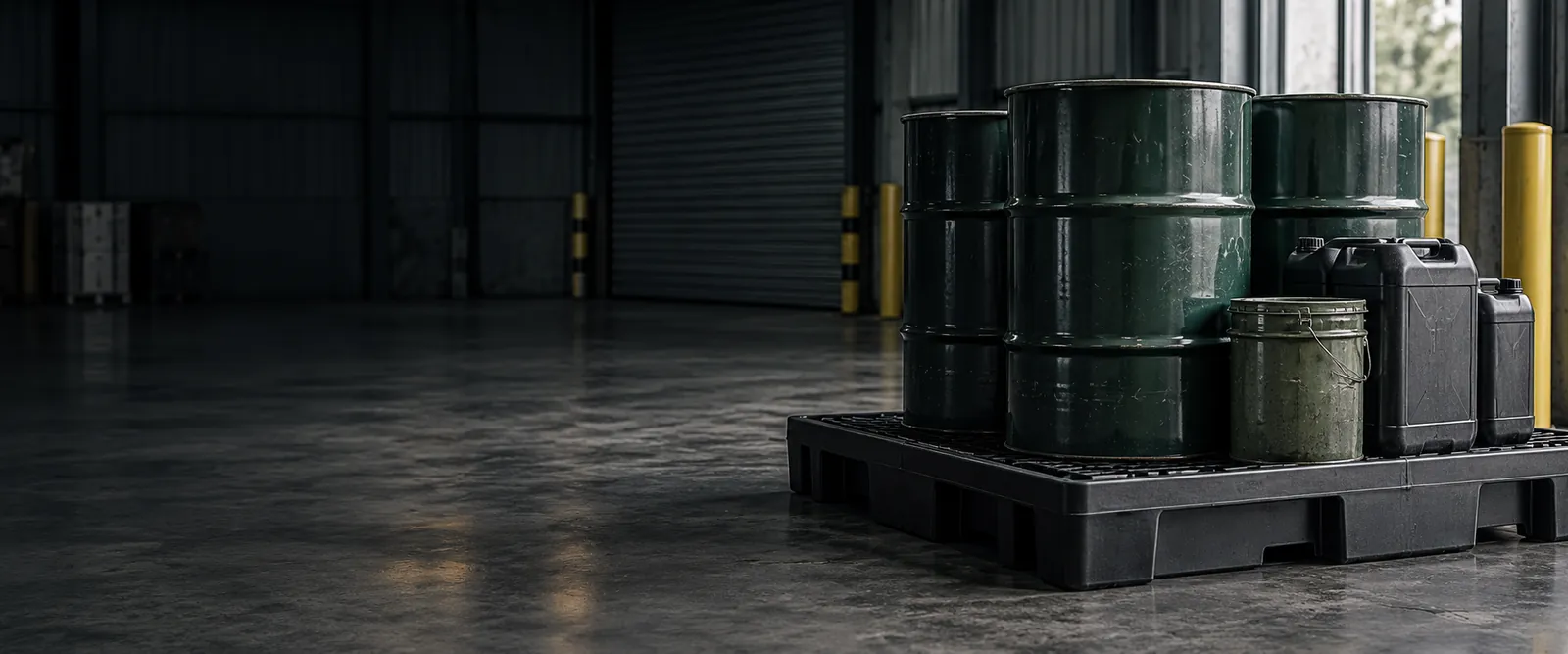
Never tip used oil into drains, soil or watercourses. Oil can pollute land and water, and a leaking drum can turn a small clearance into a much bigger problem. Use suitable, sound containers with secure closures and the appropriate spill containment for your site.
Keep engine oil separate from other liquids
Do not add coolant, brake fluid, solvents, paint or cleaning chemicals to an oil container. Mixing makes treatment harder and can change the hazards. Used lubricating oil and used cooking oil are also different waste streams. Tell the collector what you have rather than treating every oily liquid as the same product.
What about filters, rags and empty drums?
Used oil filters, absorbents and oily packaging need to be identified separately. A drum that looks empty may still contain residues. Ask about these alongside the liquid collection; do not assume the containers or contaminated materials belong in normal recycling.
Drums, containers or a larger tank?
Quality Waste helps businesses arrange waste oil collection and disposal. Say whether the oil is in drums, another container or a tank. An approximate container count and photos are useful; if a tank needs pumping or specialist access, tell us so the right arrangements can be discussed.
What paperwork applies?
Many waste mineral oils are hazardous. The classification determines the applicable movement paperwork, and arrangements differ across the UK. In England, hazardous waste normally moves with a consignment note rather than only a standard waste transfer note. Our paperwork guide explains the distinction.
For a household vehicle oil change, ask your council where used engine oil is accepted and keep it separate. Household collection points should not be assumed to accept workshop waste.
Read next: Why waste oil recycling matters
Further guidance
Business waste guidance. The GOV.UK sources above primarily cover England; check the relevant regulator’s requirements for Wales, Scotland or Northern Ireland.